The best idea in the room usually dies in the room
Lex Bradshaw-Zanger, CMO of L'Oréal SAPMENA, on why bold marketing ideas die for lack of proof, and how de-risking creativity closes the say/do gap between what customers say and do.
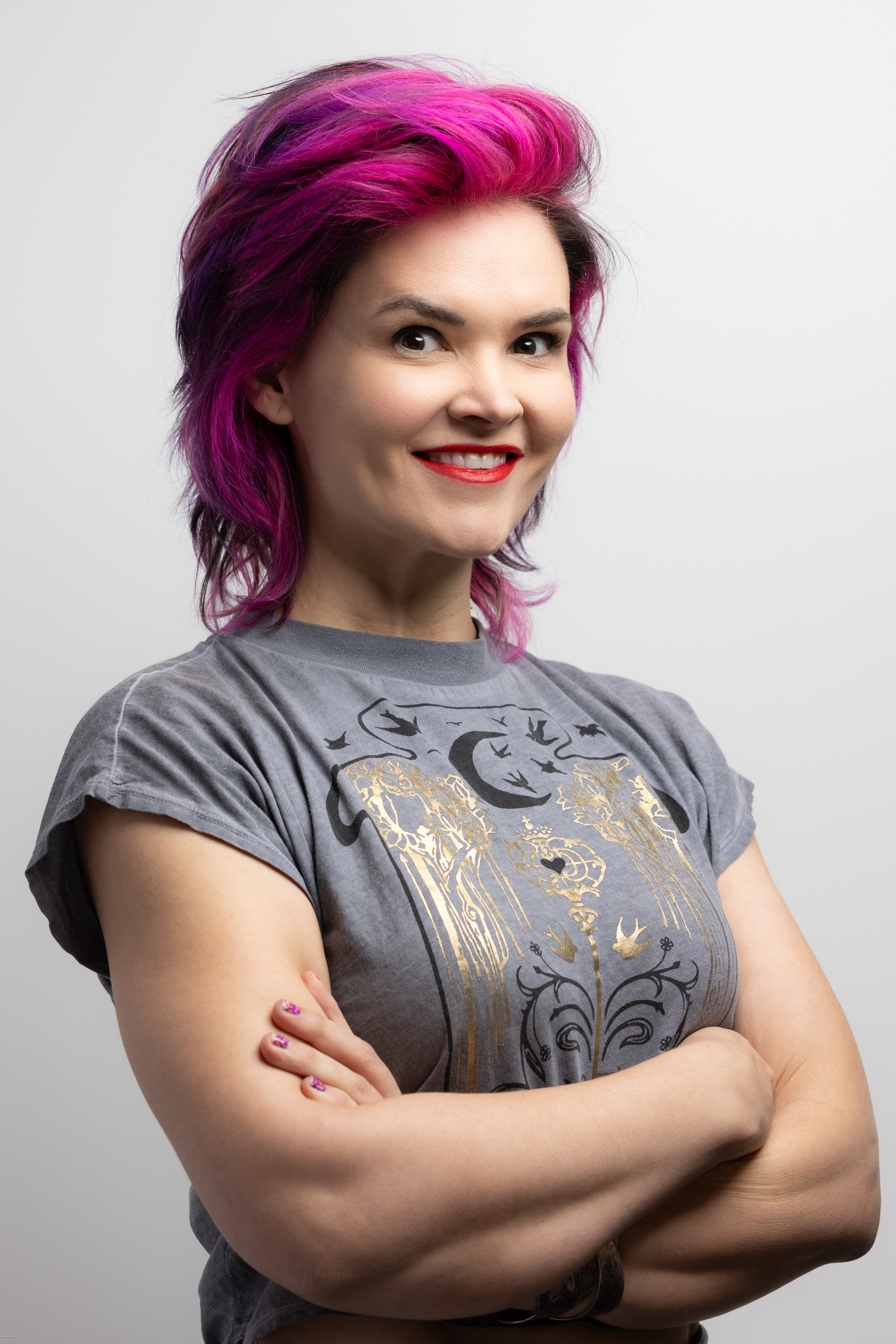
- →The best ideas often die in the meeting, not because they're wrong, but because no one could prove they were right.
- →What people say they'll do matches what they actually do only 20 to 30% of the time.
- →De-risking creativity means giving a bold idea behavioral evidence to stand on, so teams back the strong idea, not the safe one.
- →AI's real risk isn't replacement. It's averaging everyone into the same forgettable middle.
When folks ask me what marketing actually loses to, I don't say budget, or talent, or the algorithm. I say the meeting. The best idea in the room usually dies in the room, not because it was wrong, but because nobody could prove it was right, and no one wanted to be the person who greenlit the weird one.
Lex Bradshaw-Zanger put it better than I could when we sat down for the first episode of Finding the Heat. Lex runs marketing and digital for L'Oréal across SAPMENA, 39 brands, a region stretching from New Zealand to Morocco, roughly 40% of the planet, and he's spent time at agencies, at Facebook, at McDonald's. He's watched this happen from every seat:
Great creative ideas never make it off the table because there's too much risk and no knowledge of data. You're bringing the ability to de-risk amazing creativity, to de-risk innovation, in a space that's needed it for hundreds of years.
That's the whole problem in two sentences. The bold idea and the safe decision are pulling in opposite directions, and safe wins by default, because safe is the thing you can defend on Monday.
The Sundaes-and-Nuggets problem
Lex told a story from his McDonald's days that I haven't been able to stop thinking about. The business intelligence data showed a strange little correlation, and there were faint signals online, people dipping chicken nuggets into their sundaes. It became a secret-menu thing. Niche. A curiosity.
If we'd had Heatseeker then, we could have said: how do we take this concept and blow it up, test it with consumers, instead of saying "this is disgusting, we won't do it"? There was potential missed to take something small and niche and make it enormous.
Every marketer has a Sundaes-and-Nuggets in a drawer somewhere. A weird signal, a fringe behaviour, a customer doing something off-script that the org waved away because it sounded ridiculous in a status update. The instinct isn't the failure. Killing it without a way to test it is.
And here's the part that gets me, if you'd asked people, you'd have learned nothing. "Do you dip your nuggets in your sundae?" gets you a no from half the people who actually do it. Lex admitted he did it himself, then added he wouldn't claim it was a good idea. Which is exactly the point.
People don't lie. They just don't know themselves
This is the thing our whole industry has quietly made peace with. What people say they'll do correlates with what they actually do only 20 to 30% of the time. We've built decades of decisions, launches, repositions, multi-million-dollar campaigns, on top of a signal that's wrong most of the time, and we've called it research.
How often what people say they'll do matches what they actually do.
The drift from reality we've quietly accepted in our marketing decisions.
Lex went straight to the human truth of it:
Shame is a big deal, it's why people don't buy condoms at supermarkets and why it's good to buy those things online.
People aren't lying to you in a survey. They're protecting themselves, or they genuinely don't have access to their own motivations. You only have to watch couples' therapy to know that the story we tell about what we want and the thing we actually reach for are two different animals. Beauty lives right in the middle of that gap, private rituals, real insecurities, longings nobody volunteers to a clipboard.
So if you can't trust what people say, you have to watch what they do. That's the entire shift. Not better surveys. Behaviour.
Get the customer off the PowerPoint slide
My favorite thing Lex said is also the simplest. He talked about "consumer connects", going into people's homes, into their bathrooms, watching them hold the product and explain the role it plays in their life. None of that, he said, survives contact with a slide deck:
How do I bring the consumer off the PowerPoint slide, out of their bathroom, out of their living room, right to somebody's desk? That's what we need.
That line is the job. Consumer-centricity has had a lot of lip service, every brand says it, few teams live inside it, especially as orgs recentralise and marketers end up further from the people they serve, sometimes without the language or the jokes or the cultural memory of the market they're deciding for. The point of the technology isn't to replace the home visit. It's to make that proximity something you can summon on demand, at the desk, in the moment the decision is actually being made, instead of months later when the moment's gone.
AI's real risk isn't the robots. It's the average
We also got into where AI actually lands for marketers, and Lex has the sharpest framing I've heard. He calls it a K-shaped moment.
Everybody has the same democratised tools, so everybody can lift their quality level. That's the AI slop, the content slop, where everybody's at a very average level. So to stand out you have to try even harder, that's the top of the K, human plus AI coming together.
The danger was never that AI replaces marketers. It's that it quietly averages everyone into the same competent, forgettable middle. As Lex put it:
AI has to be a tool to make you do your job better, rather than a replacement for a craft you never had.
I feel this acutely in our own corner of the world. Customer understanding has been badly served by its tools for years, you either lean on historical data, which tells you nothing about a launch that doesn't exist yet, or you run surveys and accept the 70-to-80% drift from reality. Neither one helps you make the bold call with your eyes open. The way out of the average isn't more content, faster. It's conviction you can defend, the evidence that lets a team back the strong idea instead of the loudest voice.
What we owe them
I asked Lex what marketers actually owe customers right now, in all this churn. His answer stayed with me:
The world has changed a lot, but as humans we haven't mutated that much, certainly not at the same pace as technology. Our fundamental needs are still the same: to look good, to feel good, to be recognised, to have relationships.
The tools change every quarter. The human doesn't. What we owe people is to close the distance between what we assume about them and what's actually true, and to stop letting the good ideas die in the room for lack of proof.
Lex has a line he comes back to, and it's the right place to end:
Marketing hasn't changed, but marketers must.
The instinct was never the problem. Give it something to stand on.
Watch or read the full conversation with Lex Bradshaw-Zanger on Finding the Heat, Episode 1.
Bring a contested idea; walk out with behavioral proof of what your customers will actually do.
Frequently asked questions
The distance between what customers say they'll do and what they actually do. Across studies, stated intent matches real behavior only 20 to 30% of the time, which is why decisions built on surveys so often miss.
Giving a bold idea evidence to stand on before you commit, testing it against real customer behavior so a team can back the strong idea instead of defaulting to the safe one.
Because people protect themselves or genuinely can't access their own motives, shame, social pressure and faulty recall all distort what they report. Watching what people do is far more reliable than asking what they'd do.
Kate founded Heatseeker to replace guesswork with behavioral evidence. She writes about marketing strategy, the economics of decision-making, and building a customer-understanding moat.