By
Kate O'Keeffe
December 10, 2025
•
min read

Over the past two years at Heatseeker, I’ve watched product marketers step into one of the most important roles they’ve ever held: the people who keep a company anchored to what buyers actually want, need, and respond to.
The pressure around them keeps rising:
This is why the companies who build modern customer-insight systems early aren’t just getting answers faster — they’re changing how decisions get made.
Below are the use cases we see product marketing leaders leaning into most.
Most narratives are created several levels above the people closest to the customer.
That’s how entire categories ended up telling AI, autonomy, and platform stories that never connected.
Simple, clean behavioral tests — exposed to thousands of the right buyers — give PMMs the ability to say:
It turns narrative development from a debate into a data-supported decision.
Enterprise buying rarely happens one-to-one anymore. It’s:
Each role has a different definition of success — and different reasons to say no.
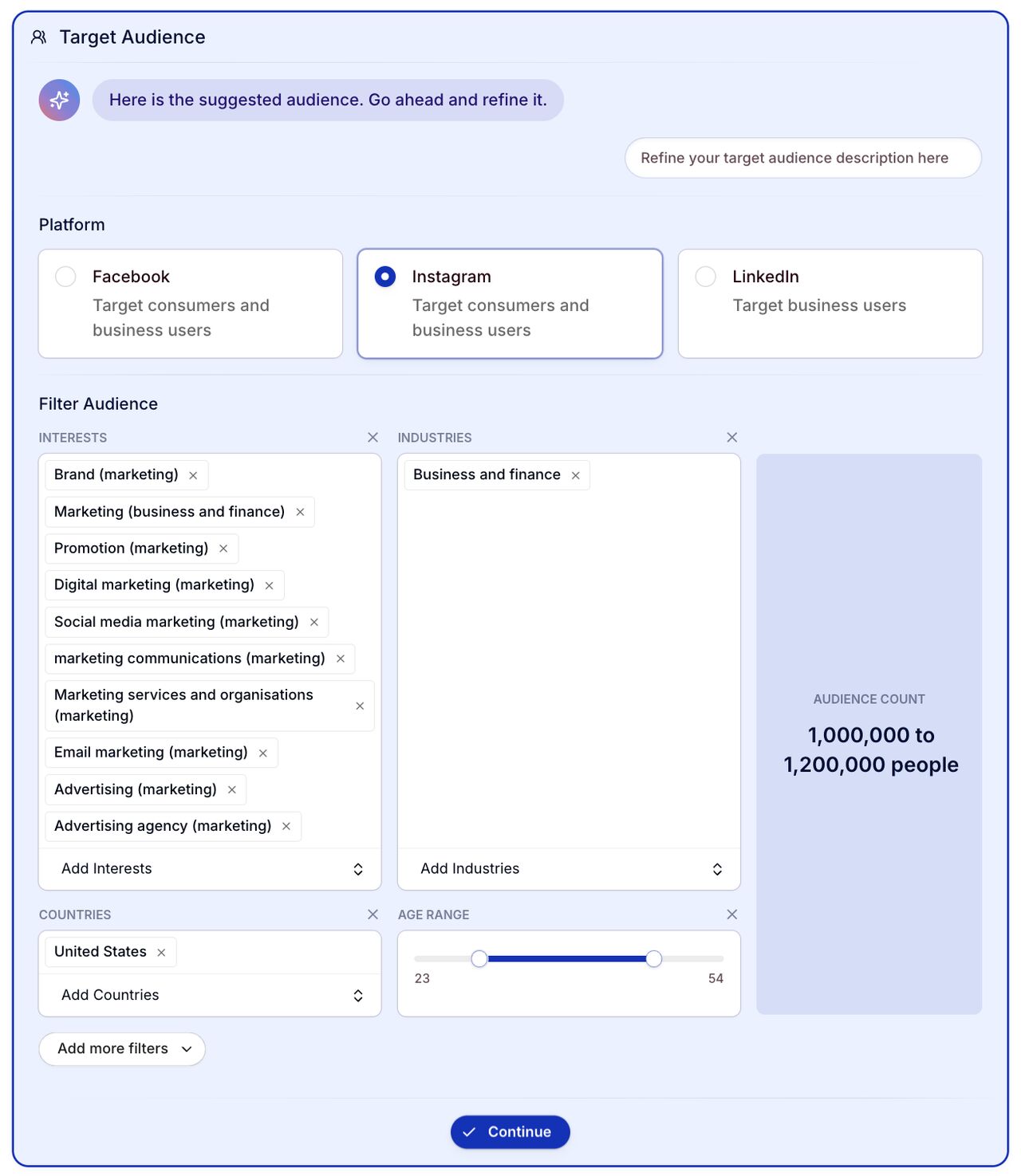
Behavior-trained personas, grounded in real experiments and first-party data, help PMMs explore:
This is the fastest path I’ve seen to role-specific messaging that still rolls up into one clear story.
Some of the strongest insights show up when teams test ideas outside their brand’s identity.
By running incognito experiments, PMMs can safely explore:
All without confusing the market or tipping their hand too early.
For teams thinking about category creation or long-term differentiation, this is becoming a must-have.
Most localization starts with the English deck.
But when PMMs run experiments in Germany, Japan, Italy — often in multiple languages inside a country — they gain:
The result isn’t a translated deck.
It’s a global narrative built from the markets themselves.
Teams are rolling out AI tools faster than they’re improving their understanding of the customer.
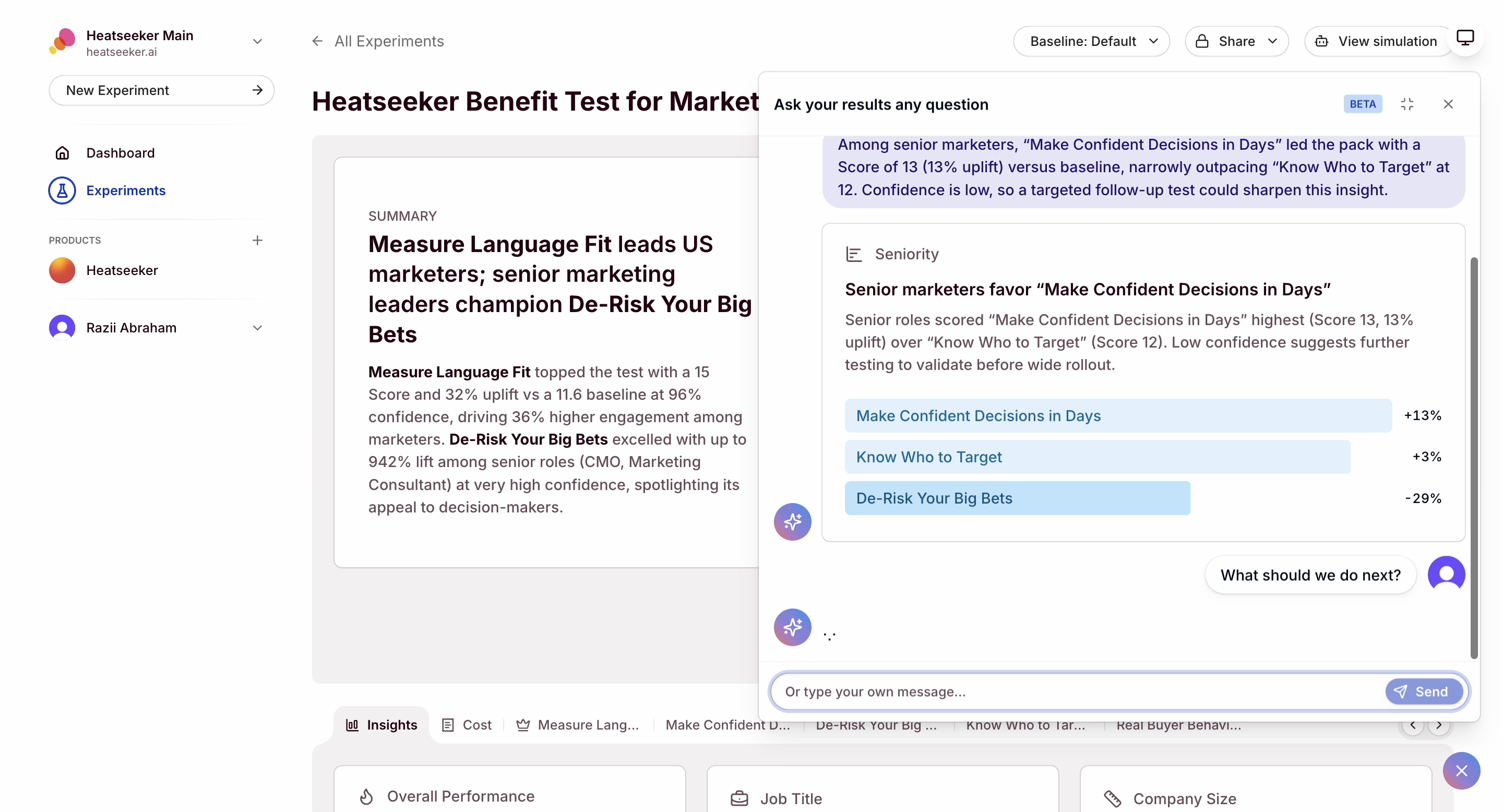
If AI is writing campaigns, emails, and content, the inputs need to be grounded in how buyers actually behave — not assumptions or notes from a handful of calls.
By feeding experiment results and behavior-trained personas into downstream tools, PMMs make sure:
This becomes even stronger when behavioral signal is combined with your first-party data — CRM, usage, purchase, retention, and performance data — so insights get sharper over time.
PMMs have always served as translators — connecting product to market and ambition to reality.
But today, with output accelerating and customer expectations shifting constantly, PMMs can take on an even bigger responsibility:
When PMMs combine:
They move from guesswork to clarity.
And when that happens, everything improves:
This isn’t about replacing the craft of product marketing.
It’s about giving PMMs the proof and precision they’ve never had — and now finally can.
The PMMs who lead will be the ones who own the customer insight engine, not the ones waiting on a quarterly report.

Over the past two years at Heatseeker, I’ve watched product marketers step into one of the most important roles they’ve ever held: the people who keep a company anchored to what buyers actually want, need, and respond to.
The pressure around them keeps rising:
This is why the companies who build modern customer-insight systems early aren’t just getting answers faster — they’re changing how decisions get made.
Below are the use cases we see product marketing leaders leaning into most.
Most narratives are created several levels above the people closest to the customer.
That’s how entire categories ended up telling AI, autonomy, and platform stories that never connected.
Simple, clean behavioral tests — exposed to thousands of the right buyers — give PMMs the ability to say:
It turns narrative development from a debate into a data-supported decision.
Enterprise buying rarely happens one-to-one anymore. It’s:
Each role has a different definition of success — and different reasons to say no.
Behavior-trained personas, grounded in real experiments and first-party data, help PMMs explore:
This is the fastest path I’ve seen to role-specific messaging that still rolls up into one clear story.
Some of the strongest insights show up when teams test ideas outside their brand’s identity.
By running incognito experiments, PMMs can safely explore:
All without confusing the market or tipping their hand too early.
For teams thinking about category creation or long-term differentiation, this is becoming a must-have.
Most localization starts with the English deck.
But when PMMs run experiments in Germany, Japan, Italy — often in multiple languages inside a country — they gain:
The result isn’t a translated deck.
It’s a global narrative built from the markets themselves.
Teams are rolling out AI tools faster than they’re improving their understanding of the customer.
If AI is writing campaigns, emails, and content, the inputs need to be grounded in how buyers actually behave — not assumptions or notes from a handful of calls.
By feeding experiment results and behavior-trained personas into downstream tools, PMMs make sure:
This becomes even stronger when behavioral signal is combined with your first-party data — CRM, usage, purchase, retention, and performance data — so insights get sharper over time.
PMMs have always served as translators — connecting product to market and ambition to reality.
But today, with output accelerating and customer expectations shifting constantly, PMMs can take on an even bigger responsibility:
When PMMs combine:
They move from guesswork to clarity.
And when that happens, everything improves:
This isn’t about replacing the craft of product marketing.
It’s about giving PMMs the proof and precision they’ve never had — and now finally can.
The PMMs who lead will be the ones who own the customer insight engine, not the ones waiting on a quarterly report.





.png)
.png)


.png)

.png)